-
Nutrition
- Kick-Off Your Day Right with California Avocados for Breakfast
- Meet Our Nutrition Experts
- Avocados and Your Heart
- Avocado Nutrients
- MyPlate - Fill Half Your Plate With Fruits & Vegetables
- Fruits and Veggies—More Matters®
- Mediterranean Diet
- Smart Spreads and Dips
- Homemade Avocado Baby Food
- Moms and Kids
- USDA Dietary Guidelines
- After School Snacks for Kids as Part of a Healthful Diet
- Sports Nutrition
- Active Lifestyle
- Healthcare Professionals
- Avocados for Breakfast
Reference: USDA National Nutrient Database for Standard Reference, Release 18 (2005) and FDA Food Labeling Guidelines for Voluntary Nutrition Labeling of Raw Fruits, Vegetable and Fish (Vol. 71, No. 159); Appendix C to Part
more_comparisonsMediterranean Diet
A lifestyle approach to healthy eating that includes a balanced variety of foods and daily exercise.
Avocado Nutrition Information
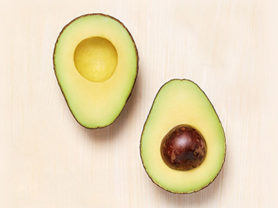
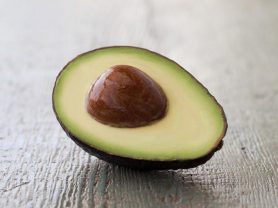
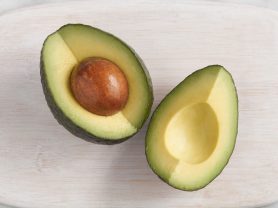
Avocados provide nearly 20 essential nutrients, including fiber, potassium, Vitamin E, B-vitamins and folic acid. They also act as a "nutrient booster" by enabling the body to absorb more fat-soluble nutrients, such as alpha and beta-carotene and lutein, in foods that are eaten with the fruit. You can find detailed avocado nutrition information listed in our Avocado Nutrients section including all of the vitamins and minerals found in avocado.
Avocados and Cardiovascular Disease
Cardiovascular disease is the leading cause of death in the United States, but a healthy diet and exercise plan may help reduce your risk of developing the life-threatening illness.
The American Heart Association (AHA) Dietary Guidelines recommend a diet that has at least five servings of fruits and vegetables, contains up to 30% of calories from fats (primarily unsaturated) and is low in saturated fat, cholesterol, trans fats and sodium while being rich in potassium. Avocados can help you meet the AHA dietary guidelines because they have both monosaturated and polyunsaturated fat and contain potassium.