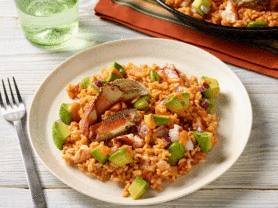
February 11, 2025
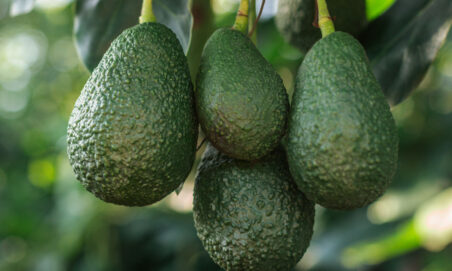
Each spring through summer, fresh California avocados are handpicked at their peak quality and make their way from grove to foodservice kitchens in a matter of days.
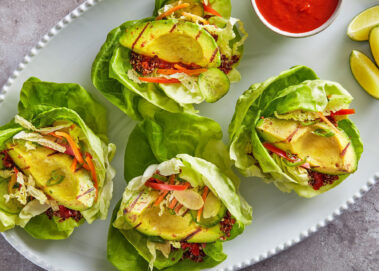
Avocados make menu items more craveable, and serving premium quality, locally grown, in-season California avocados shows your commitment to ethical sourcing…something guests are willing to pay more for.
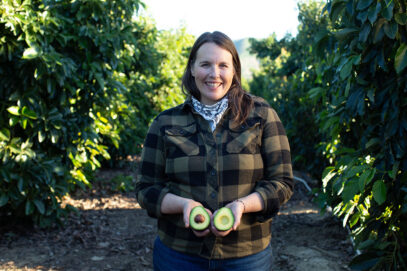
The dedication and expertise of nearly 3,000 avocado growers are inside every case of California avocados. You can unlock more for your operation with the support of the California Avocado Commission. Find out how below!















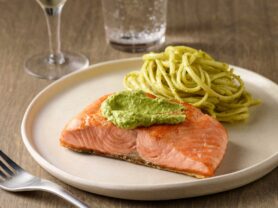
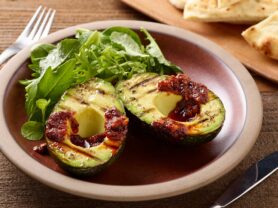
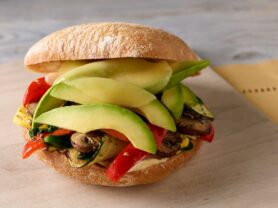
Most foodservice operators get their California Avocados from produce distributors or broadliners. For distributors or supply chain professionals looking to contract directly, the Avocado Marketing and Research Information Center (AMRIC) system’s list of handlers can be a helpful place to start.
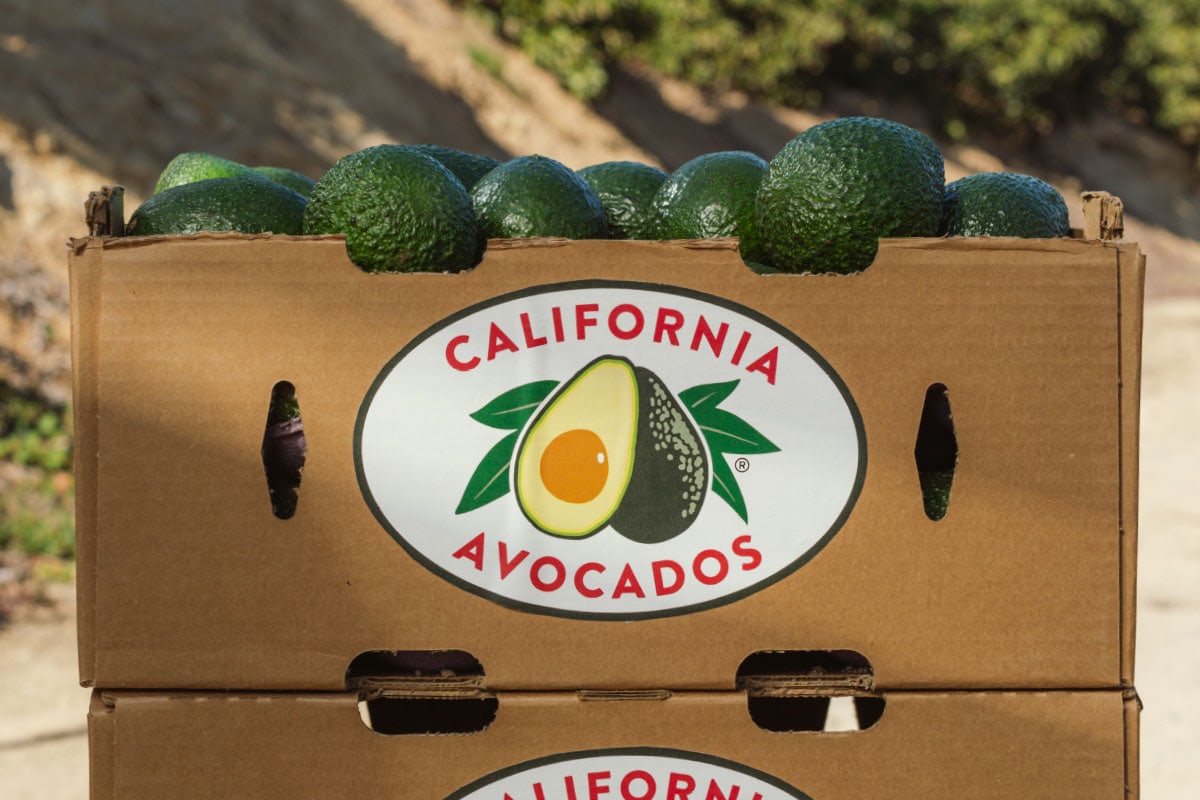
Earn Continuing Education Hours (CEH) from the American Culinary Federation and learn about California Avocados! Discover the natural benefits of Fresh California Avocados on the menu, from appetizers to desserts. With its mellow taste and rich texture, the California Avocado moves easily across dayparts and lends flavor and appeal to traditional, ethnic and contemporary dishes.
National Restaurant Association – Marketing Executives Group
May 13-15, 2026 | Chicago, IL
Event WebsiteInternational Fresh Produce Association – The Foodservice Conference
July 23-24, 2026 | Monterey, CA
Event Website
While Mother Nature determines the exact timing every year, California avocado season is typically spring through summer.
Most foodservice operations choose a 48- or 60-count avocado, which means it takes 48 or 60 avocados to fill a 25-pound case. For applications where a larger slice or fan of avocado is highly visible, a larger size (48s or 36s) may be preferable. As the yield per case of fruit regardless of size is approximately the same, for most applications (i.e. cubed, diced or smashed) it doesn’t matter what size to order.
When foodservice operations specify #2 grade avocados, it will feature some scarring or discoloration of the peel; this occurs when the avocado has been exposed to the sun or wind for a long period time. With #2 grade, the marks on the outside have no impact on the fruit itself. Generally, foodservice operations need not specify #1 grade unless they are performing tableside presentations where guests would prefer flawless avocado skins.
Brown discoloration in avocado flesh is natural oxidation, a result of exposure to air. While not harmful, it’s less appealing visually.
In foodservice operations, it is not uncommon to prep avocados ahead of time for speed of service. The California Avocado Commission recommends these three techniques to minimize browning of the fruit:
Storing avocados in a covered, warm place with bananas, apples or kiwis will speed up the ripening, due to the release of natural ethylene from these fruits. Be sure to monitor closely.
Refrigeration is the best way to slow the ripening process. Be sure to store away from apples, kiwis and bananas, as these fruits can speed up ripening.
If you have a produce supplier, you are able to request to have your case of avocados be delivered at a specific ripeness stage, either all the same or a mix of stages. Produce suppliers work with avocado packing houses in California to help manage the ripeness stage for delivery.
Contact your produce supplier and specifically request California avocados during the spring through summer months. To source directly from an avocado handler, use the AMRIC handler list.